Toys & Care · Guide
My Vibrator Charges but Dies Quickly—Is the Battery Failing?
A toy can accept a charge and still have poor runtime. Rule out the charger, contacts and power-hungry settings before deciding the battery is finished.
Straight answers about sex-toy charging, batteries, waterproof ratings, lubricant compatibility, cleaning, storage, materials, longevity and the little instructions product pages often leave out.
Send the question you actually want answered. Strong reader questions can become future guides or anonymous Ask RID answers—with your permission.
Ask RID →
A toy can accept a charge and still have poor runtime. Rule out the charger, contacts and power-hungry settings before deciding the battery is finished.
Sex toys do not share one expiration date. Condition matters more: cracks, persistent material changes, damaged electronics and battery warning signs tell you when troubleshooting has become retirement.
One forgotten overnight charge does not automatically ruin a toy. But unattended charging should not be the routine: use the correct charger, follow the manual and unplug when charging is complete.
A chemical smell is a clue, not a material test. Clean it correctly, air it out, verify what it’s made from, and look for the surface changes that make the smell more concerning.
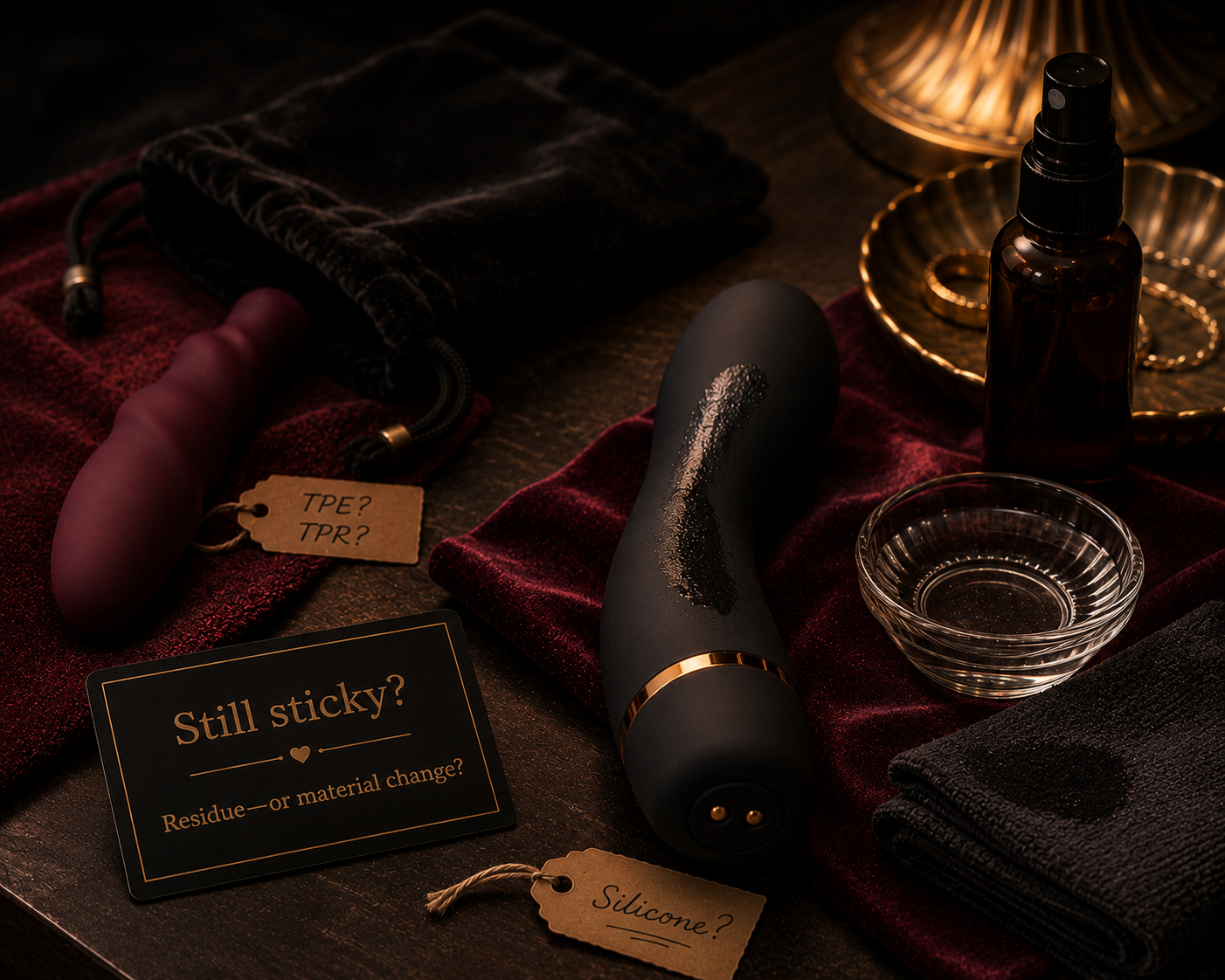
Sticky is a symptom, not a diagnosis. Here’s how to tell ordinary residue from a naturally tacky material, oil migration, incompatible-product exposure, or a toy that is changing.
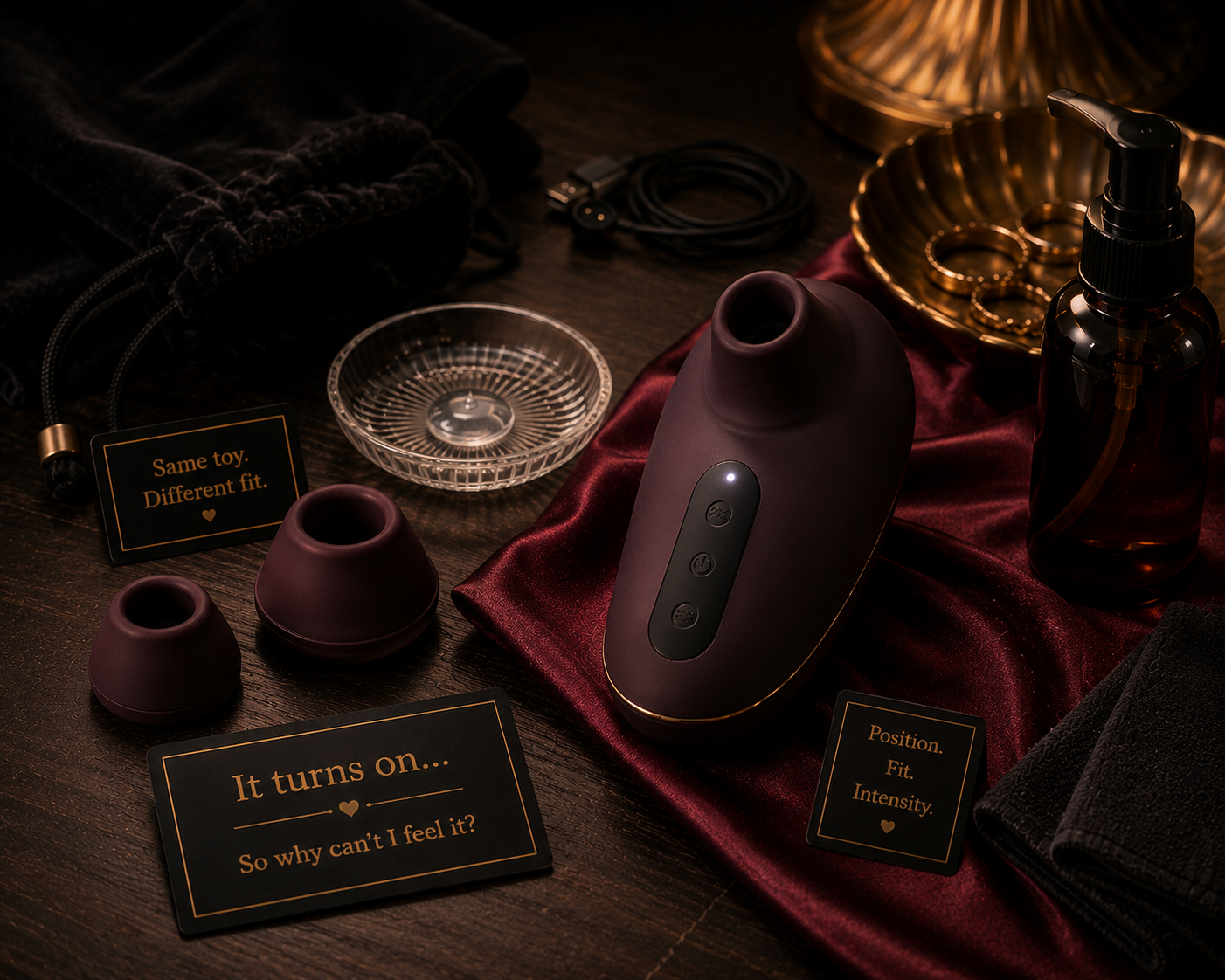
First: it may not actually be supposed to “suck.” Before replacing an air-pulse toy, check the pressure-wave technology, positioning, head size, contact mode, lube and intensity.
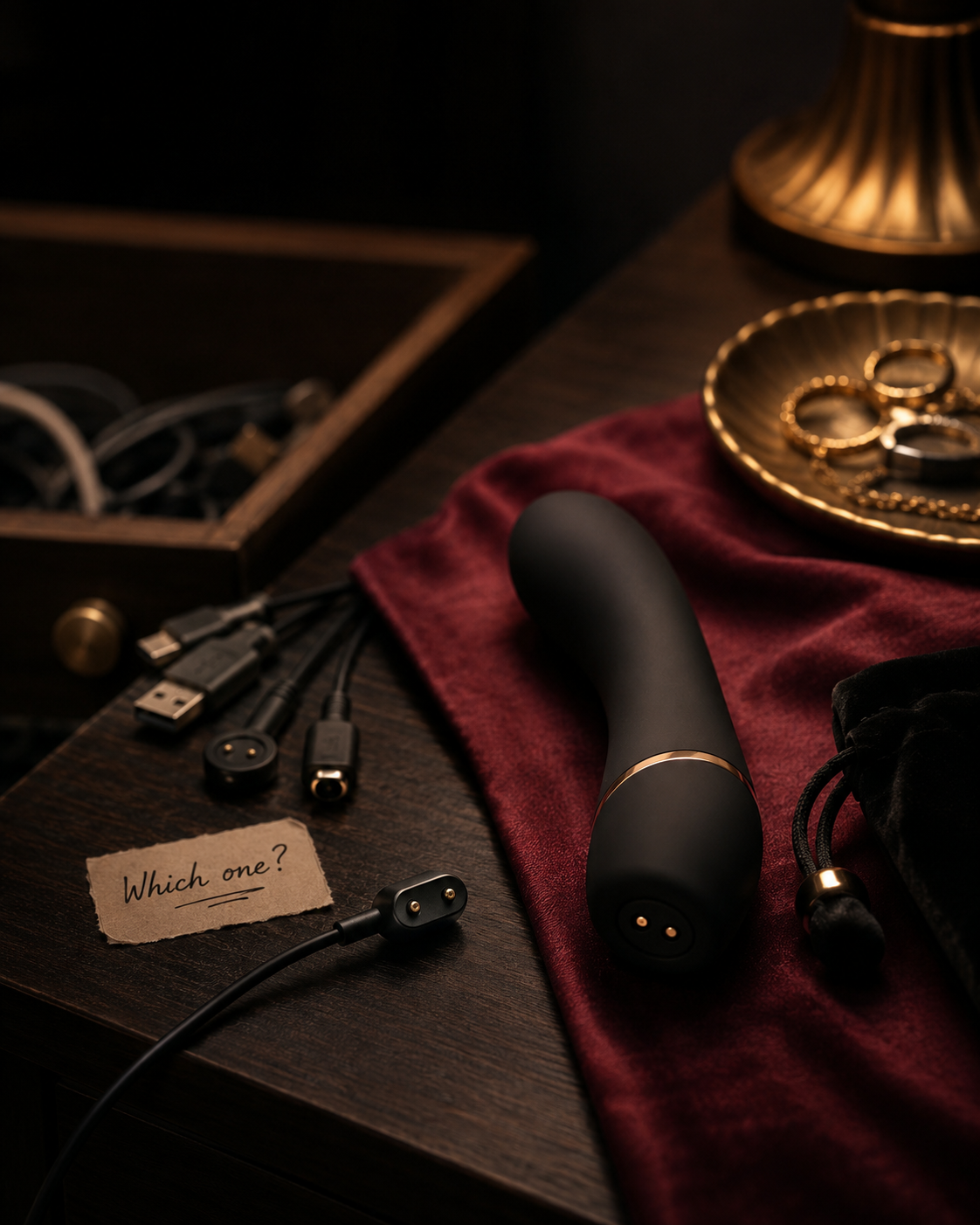
Magnetic charging dots can look identical and still belong to different systems. Identify the toy first, verify model compatibility second, and only then buy the cable.
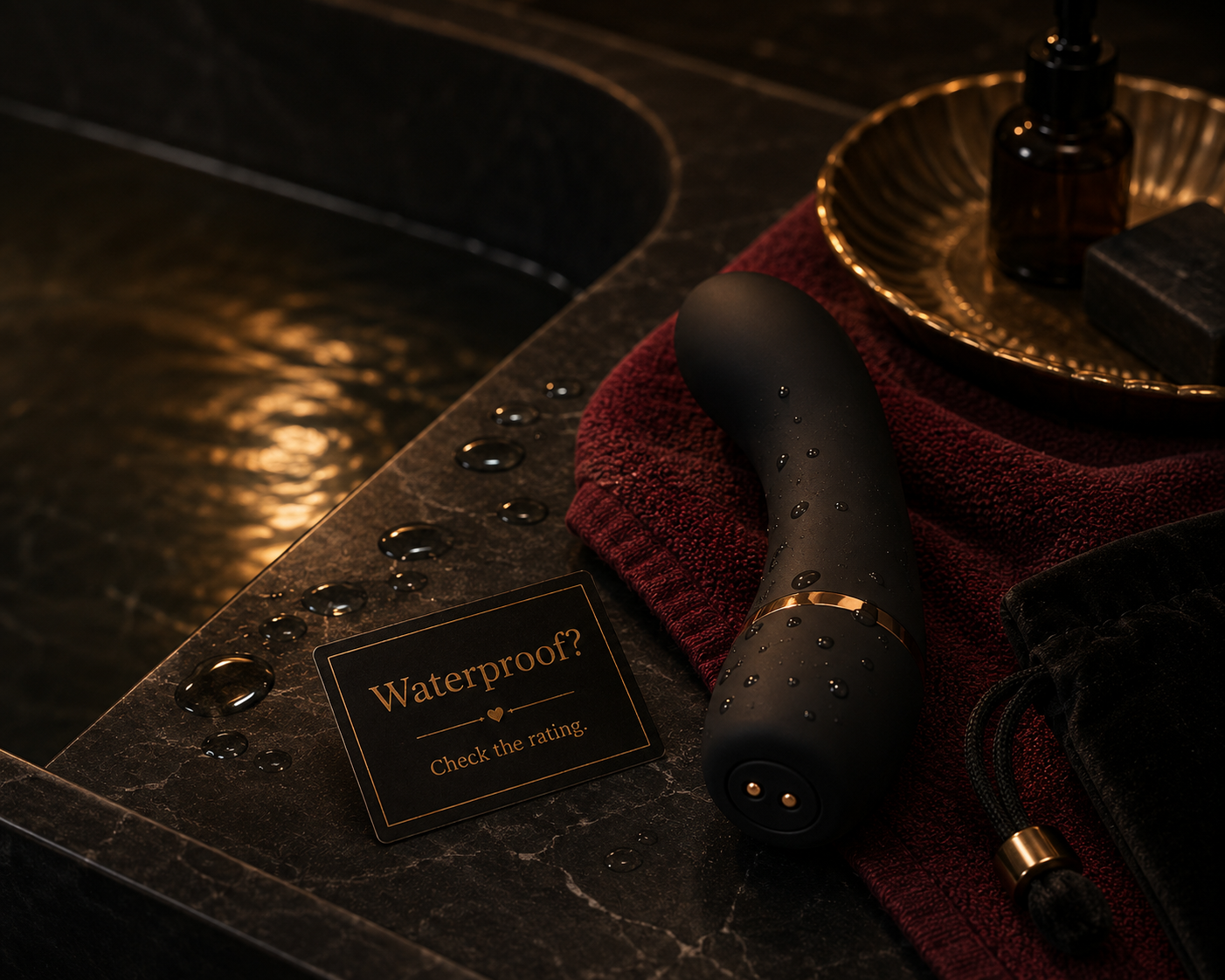
“Waterproof” is only useful when the listing proves what it means. Here’s how to read IP ratings, bath/shower claims, charging contacts and manufacturer instructions.
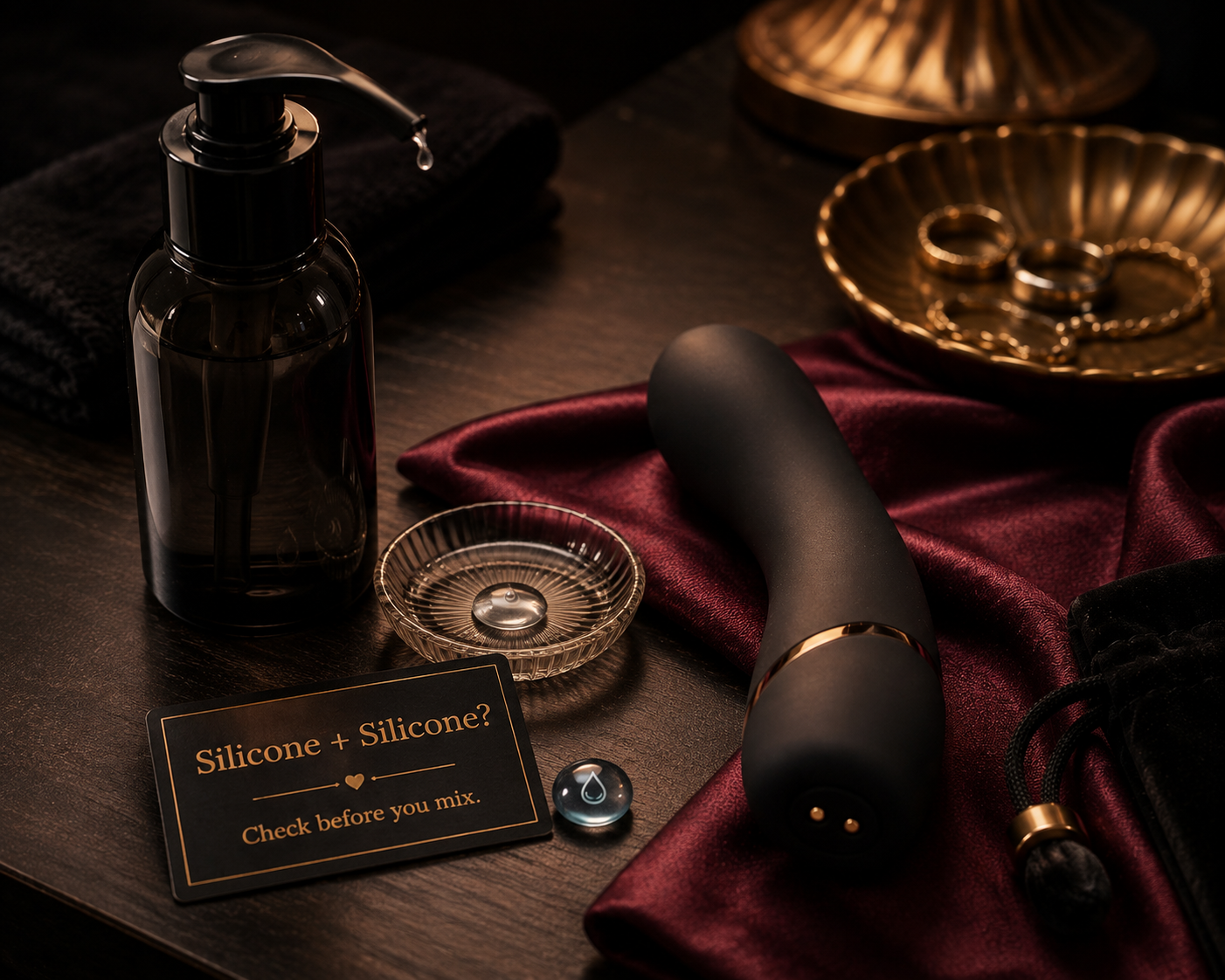
The internet gives two bad absolutes about silicone-on-silicone. The useful answer is simpler: check the exact toy instructions, and use water-based when compatibility is unclear.
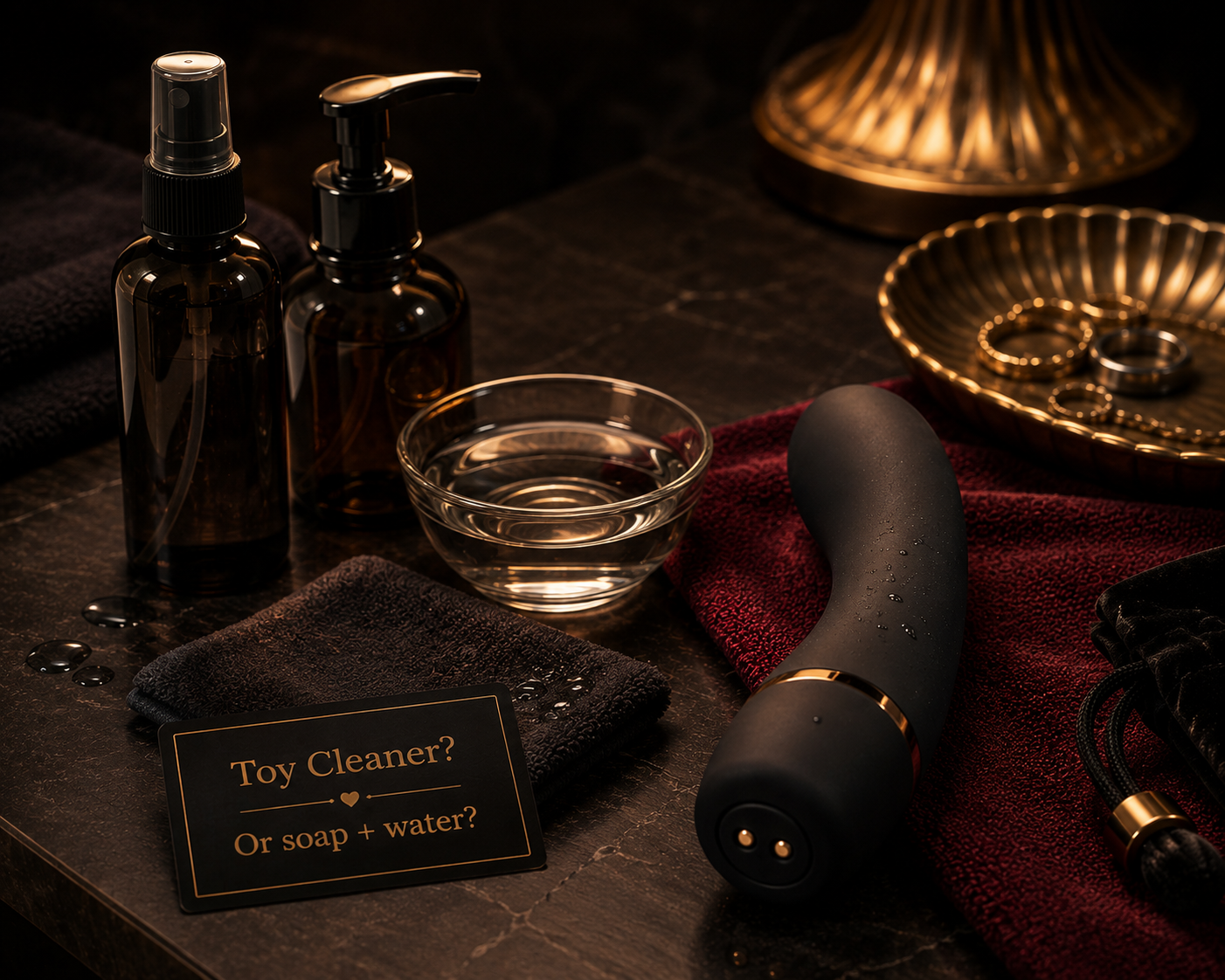
Toy-cleaner spray can be convenient, but it is not a universal requirement. Start with the exact material, electronics, waterproof rating and manufacturer care instructions.
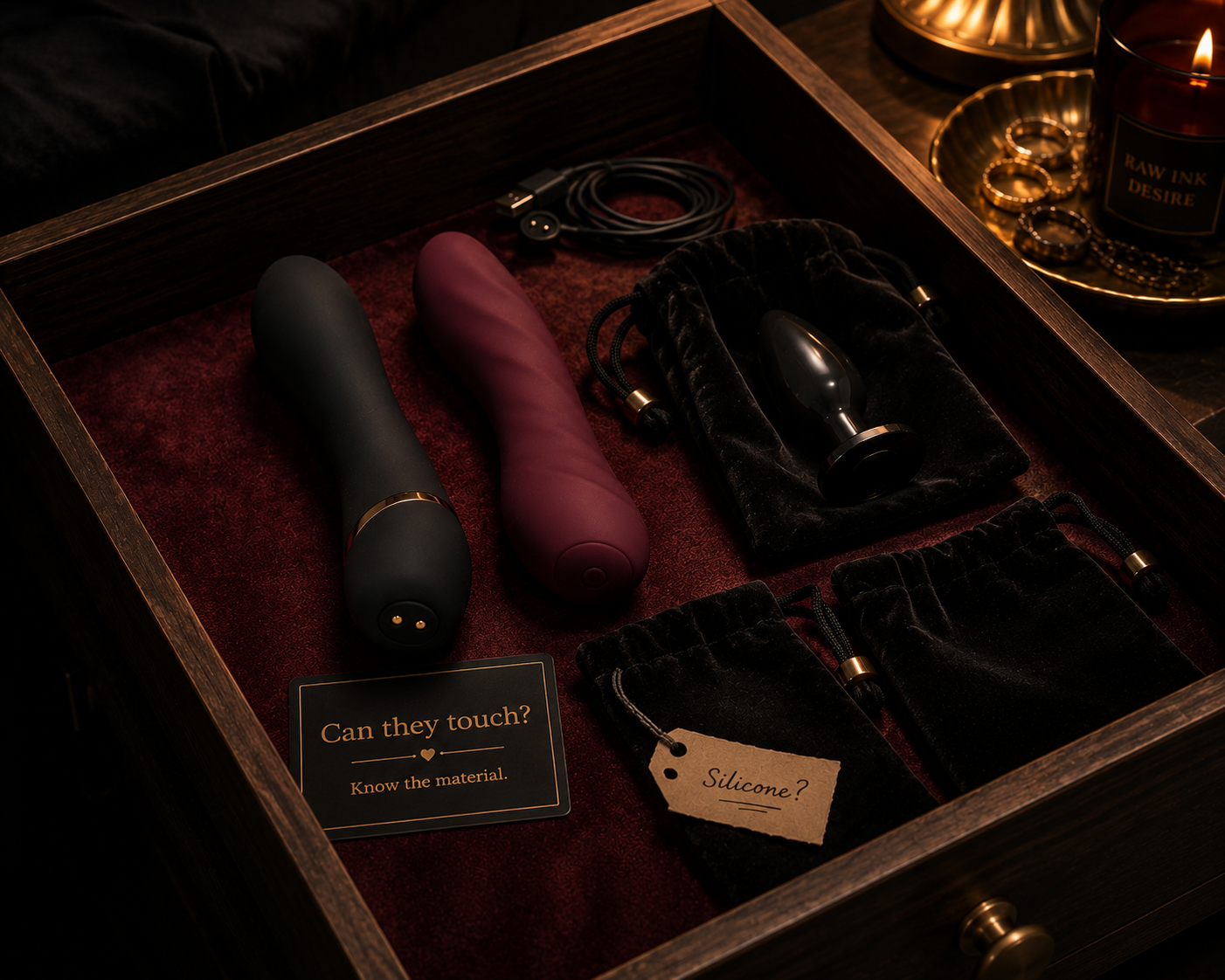
No, two toys touching is not automatically a chemistry emergency. But uncertain soft materials make individual pouches a very practical default. Here’s the nuanced answer.